How to develop a regional health project using co-construction methods and specialized support?
External Newsletter - December 2022

The updating of the regional health projects (PRS) 2018-2028 is a major project that has already started in almost all French regions. A regional health project is a document defining the public health policies of a region, with objectives and actions aimed at improving the health of its inhabitants over the coming years.
The GovHe consulting firm, always attentive to legal, epidemiological and innovative developments, assists the Regional Health Agencies (ARS) to build a PRS adapted to each reality.
GovHe's contribution ranges from the strategic organization of the project to the drafting of roadmaps, including the organization of seminars and co-construction workshops, the facilitation of focus groups and the conduct of individual interviews. The objective of our interventions is to help health actors and ARS in those stages where specialized and effective support saves time in mobilizing actors.
Who develops the PRS?
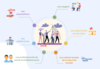
The Regional Health Project is drawn up with the help of health care stakeholders and is subject to broad consultation.
It is the framework for action for all health actors : professionals, local authorities, health and medico-social establishments and services, public policy makers, etc.
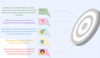
The 5 objectives of the PRS
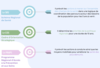
A Regional Health Project is composed of the following three documents:
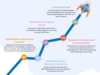
The main stages of realization
A tool to mobilize field actors
The PRS is more than a simple document, it is a collective process involving all the actors of the territory invested in improving the health of the region's inhabitants.
By using methods of co-construction and the collective intelligence of actors in the field, users and health authorities, the PRS makes it possible to draw up a shared diagnosis of the needs of territories and populations.
GovHe assists the ARS in the development of their PRS
Whether in French Guiana (2021) or Mayotte (2022), the GovHe teams have developed a specific methodology that allows the ARS to develop their project through co-construction and a participatory approach, involving all of the stakeholders in their territory.
We also have a network of medical experts capable of providing a critical view of the courses of action discussed and of facilitating workshops with local stakeholders if necessary.
At each stage of the development of the PRS, local stakeholders are involved in defining needs and proposing courses of action. In workshops, interviews or focus groups, the involvement of key players contributes to the development of a high-impact PRS. ARSs can thus benefit from the contributions of field actors to propose an attractive PRS and facilitate its appropriation during its implementation.
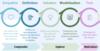
Discover one of our tools used in the development of a PRS: design thinking!
Design thinking is a working method widely used in our methodology that sharpens creativity to find new ideas to solve identified problems.
What's new with the authorization reform?
The Regional Health Plans (SRS) all include a section on activity authorizations, which makes it possible to regulate the supply of care and equipment in a given territory.
The licensing reform follows a May 12, 2021, ordinance that aims to simplify the renewal of licenses.
This reform of the authorization system will have a direct impact on the publication of the next PRS starting in 2023.
The 3 major objectives of the licensing reform